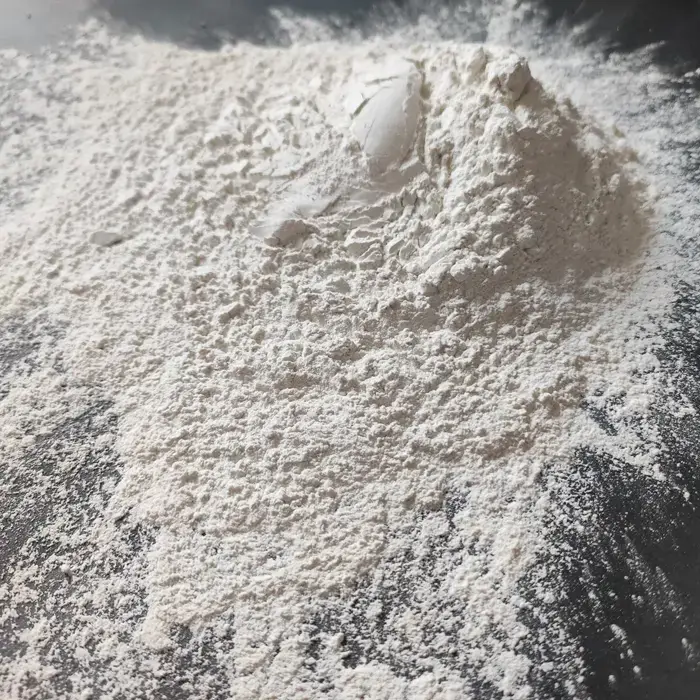
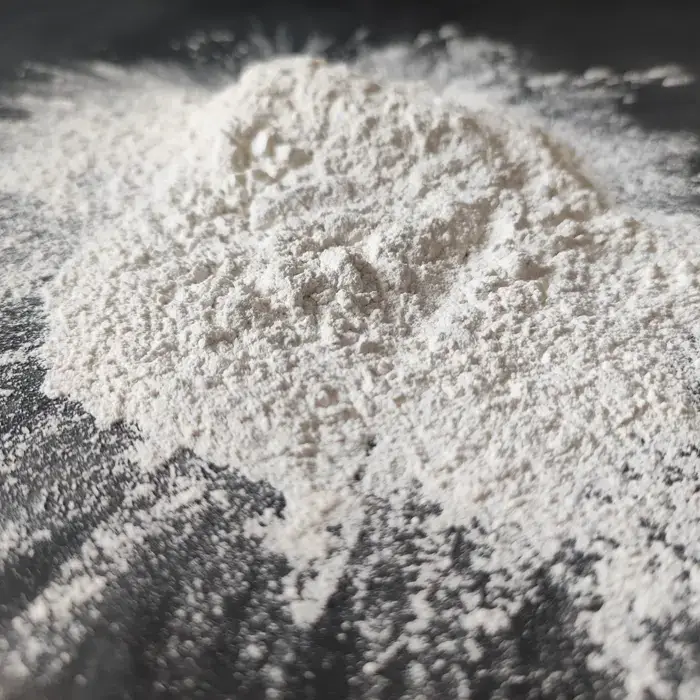
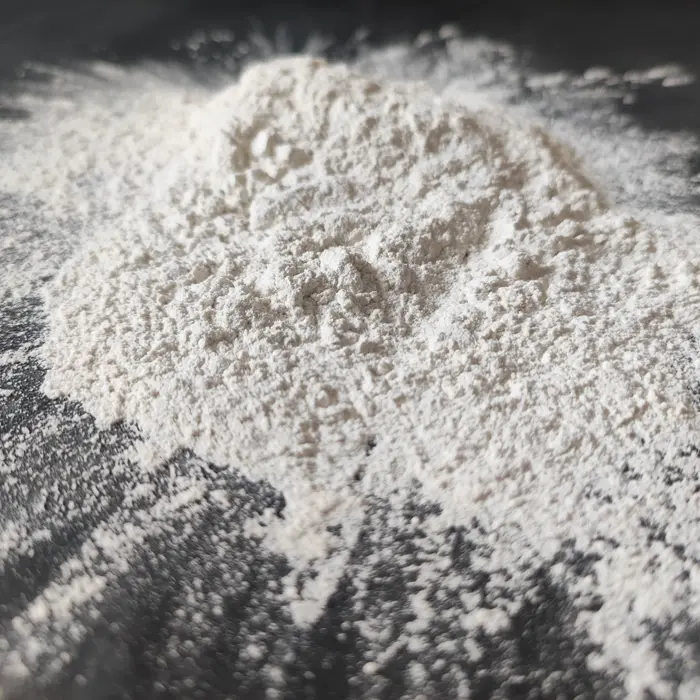
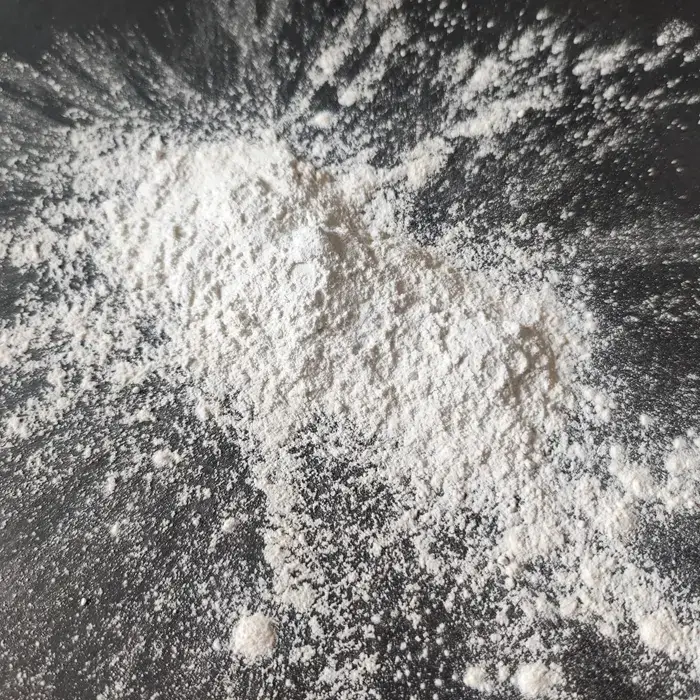
Montmorillonite

Montmorillonite Clay for Industrial Applications

CK supplies montmorillonite products for industrial buyers seeking suitable clay materials for their manufacturing processes. Product selection depends on mineral characteristics, processing requirements, intended application, and the specifications required by each customer.

Contact our team to discuss available grades, technical data, and your application requirements.

Montmorillonite Clay
Montmorillonite clay
Montmorillonite clay suppliers
What Is Montmorillonite?
Montmorillonite clay supplier

What Is Montmorillonite?

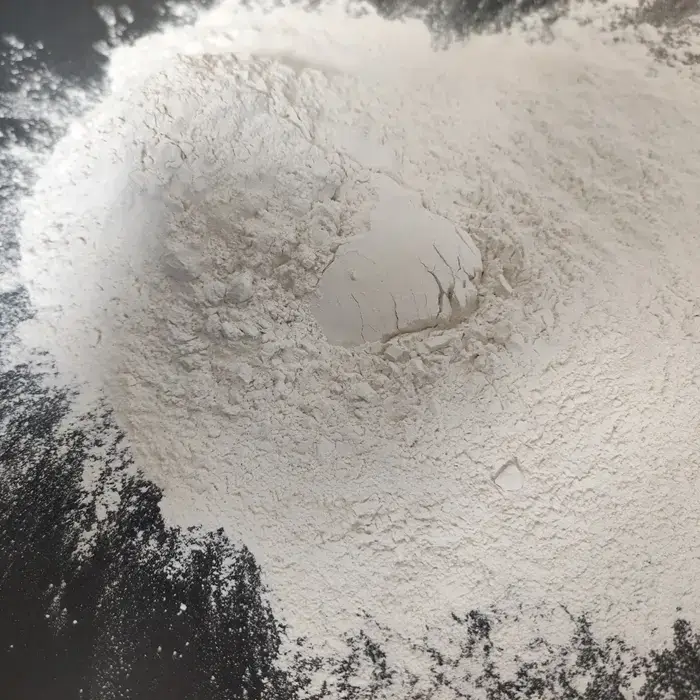
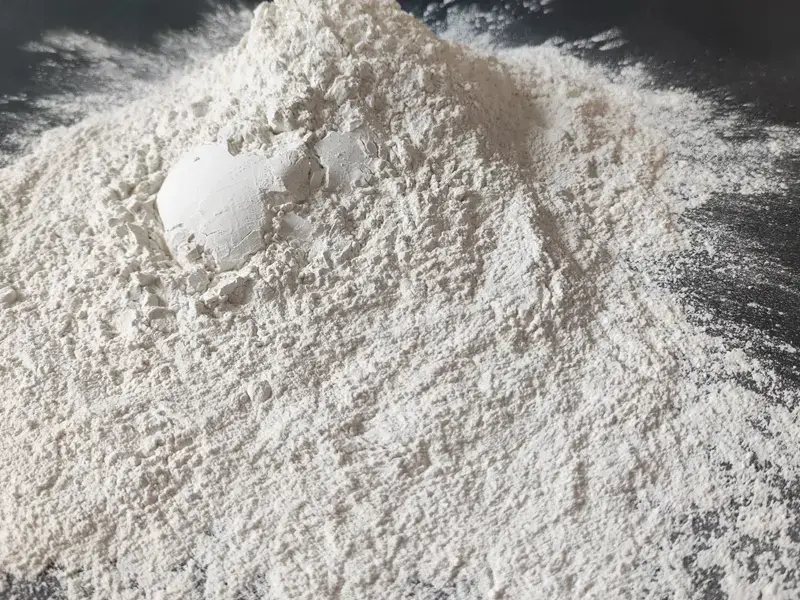
Montmorillonite is a clay mineral belonging to the smectite group. It is known for its layered mineral structure and its ability to interact with water and certain ions. Its behavior depends on factors such as mineral composition, exchangeable cations, particle characteristics, and processing conditions.

Montmorillonite occurs in various clay deposits and is commonly associated with bentonite. However, the properties of a commercial clay product depend on its mineral composition and grade rather than its name alone.

For industrial buyers, understanding these differences is an important step in evaluating whether a montmorillonite-containing material is suitable for a particular manufacturing process.

Key Properties of Montmorillonite

The properties of montmorillonite-containing clay materials can vary with mineral composition, deposit characteristics, processing methods, and product grade. Buyers should evaluate the characteristics most relevant to their intended use.

Mineral Composition: The mineral composition of a clay material affects its suitability for different industrial applications. Actual composition should be evaluated using product-specific test data.

Water Interaction:Montmorillonite can interact with water, and some forms exhibit swelling behavior. The degree of swelling varies according to mineral structure, exchangeable ions, and test conditions.

Particle Characteristics:Particle size distribution and fineness can influence handling, dispersion, and performance in industrial formulations.

Rheological Behavior:Depending on its composition and grade, a montmorillonite-containing material may contribute to viscosity control or suspension behavior in certain systems. Suitability should be confirmed through application testing.

Grade-Specific Performance:Different applications require different combinations of mineral composition, moisture, particle characteristics, and other specifications. Buyers should select products based on verified data rather than general mineral descriptions.

Key Properties of Montmorillonite
Montmorillonite suppliers

4. Coatings and Formulations

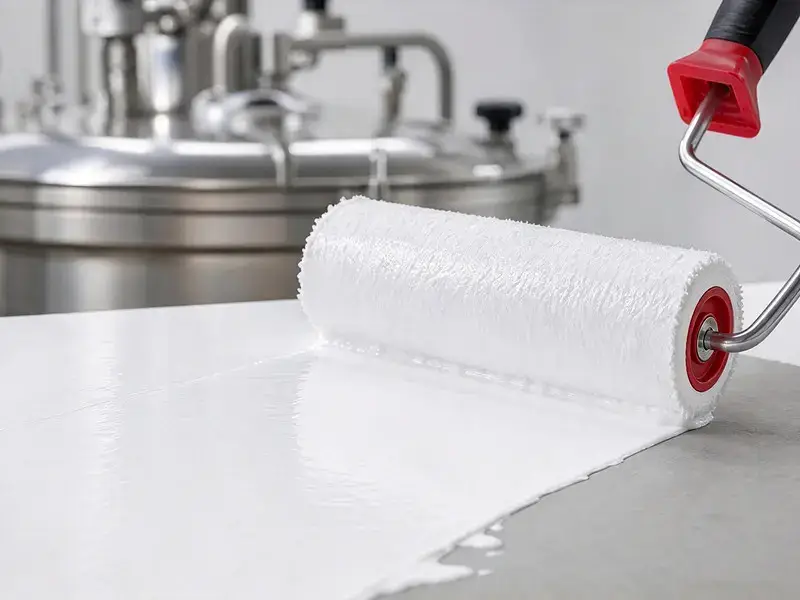
Selected grades may be evaluated for their contribution to rheology, suspension stability, and formulation consistency.

Ball Clay Processing and Quality Evaluation

5. Environmental Applications

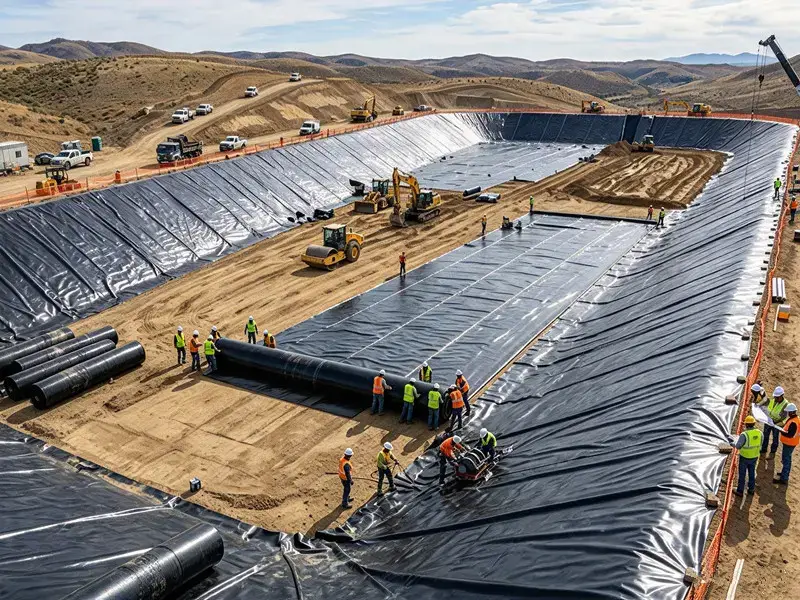
Certain bentonite and montmorillonite-containing materials are used in containment or adsorption-related applications, subject to product properties and applicable performance testing.

Ball Clay Applications

6. Other Industrial Uses

Additional applications may be possible depending on mineral composition, processing, customer requirements, and the results of application-specific evaluation.
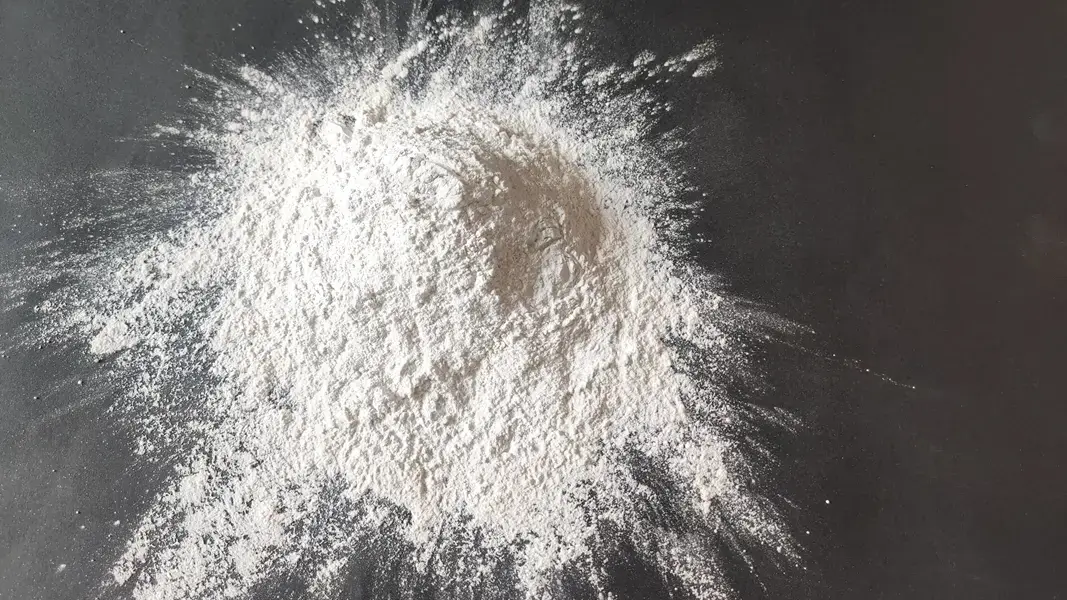
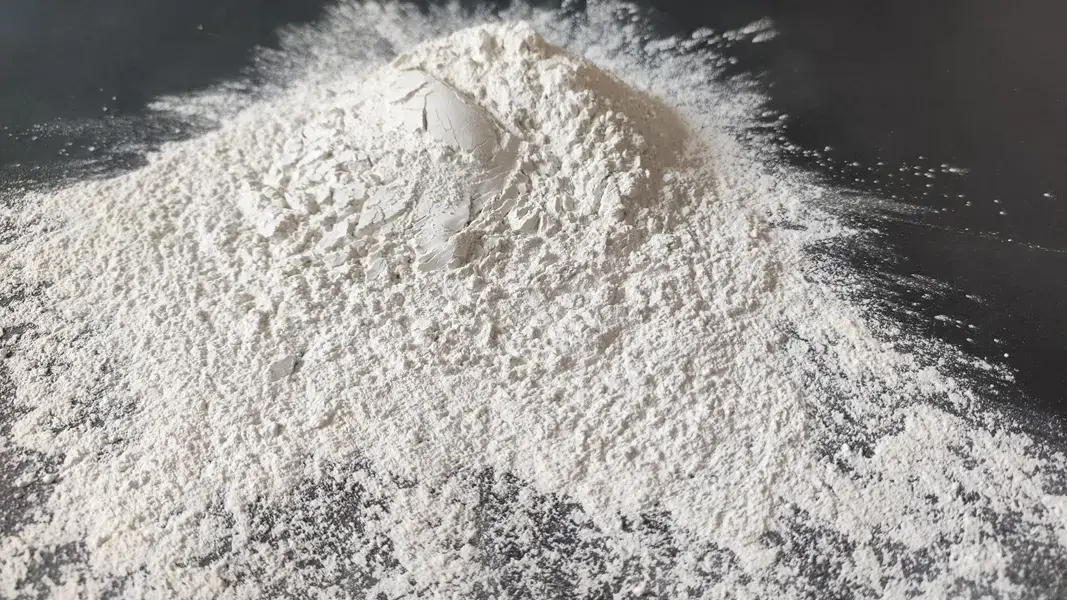
Montmorillonite Technical Specifications

Technical specifications are important when comparing clay materials for industrial use. The relevant parameters depend on the product grade and intended application.

CK has product technical information available for customer evaluation. Contact our team to request the applicable Technical Data Sheet (TDS), test results, and specification details for the grade you are considering.

Where necessary, please provide your required parameters or existing material specifications so that the relevant information can be reviewed.

Test Item Technical Requirements Test Result
Montmorillonite Content (%) ≥ 95% 95%
SiO₂ (%) 55.0–65.0% 62%
Al₂O₃ (%) 12–25% 24%
Particle Size (−325 Mesh) (%) ≥ 95% 96%
pH Value 7.5 7.5
Blue Absorption Power ≥ 42 42
Ammonia Absorption Value ≥ 105 105

Why Work with CK?

When evaluating a montmorillonite supplier, industrial buyers need clear product information, reliable communication, and a practical way to confirm whether a material meets their requirements.

Manufacturer-Focused Communication

CK presents its kaolin and industrial mineral products from a manufacturing perspective, helping buyers discuss product characteristics and application requirements directly with the business.

Product Information for Evaluation

Available technical documents and test data can help buyers assess product suitability against their own specifications.

Application-Based Product Discussions

Share your intended use, required parameters, and processing conditions so the relevant product information can be reviewed.

Clear Technical Communication

Product selection should be based on documented characteristics and application requirements, rather than unsupported performance claims.

Support for International Buyers

CK welcomes inquiries from international industrial buyers seeking product information, technical documentation, and quotations.

Contact CK to discuss your requirements and confirm the relevant product details.

Not every raw kaolin grade is suitable for direct use in every industry. Contact CK with your application, target specifications, and processing requirements to discuss a suitable product option.

Montmorillonite vs. Bentonite: What Is the Difference??

Montmorillonite is a clay mineral in the smectite group, while bentonite is a clay material commonly characterized by a substantial proportion of smectite minerals, often including montmorillonite.

The terms are related, but they are not interchangeable in every purchasing context. Bentonite properties can vary according to mineral composition, exchangeable cations, associated minerals, and processing.

When comparing products, buyers should review the actual mineral composition, technical specifications, and performance requirements rather than relying on product names alone.

If you are comparing montmorillonite with bentonite for an industrial application, share your required specifications with CK to help identify the relevant product information.

Frequently Asked Questions About Montmorillonite

Learn more about montmorillonite, its industrial uses, and the factors to consider when selecting a suitable clay material.

Montmorillonite is a clay mineral belonging to the smectite group. Its characteristics depend on mineral composition, structure, and surrounding chemical conditions.

No. Montmorillonite is a mineral, whereas bentonite is a clay material that commonly contains montmorillonite as a major mineral component. Actual composition varies by deposit and grade.

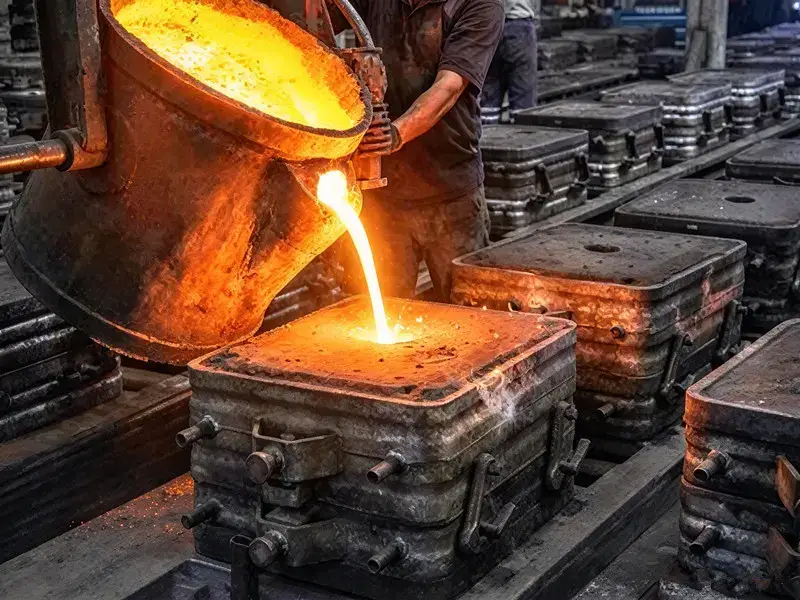
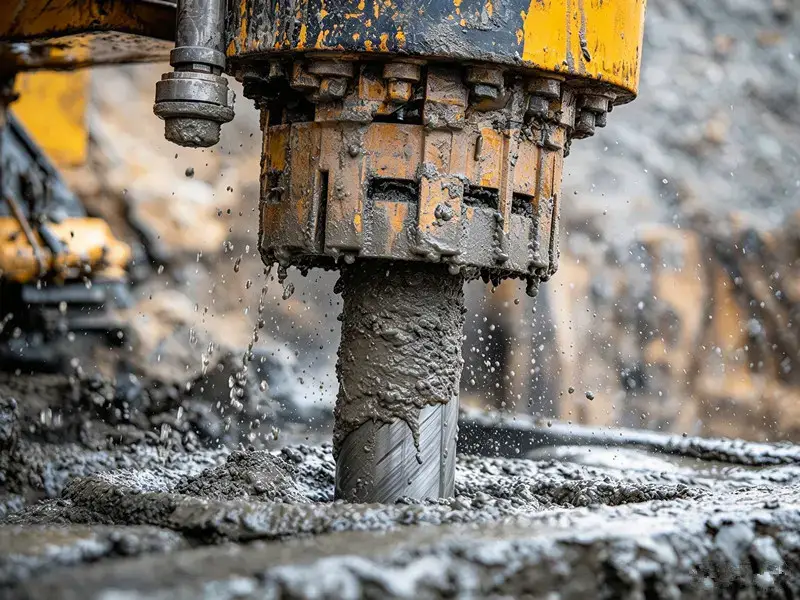
Montmorillonite-containing materials are used in selected drilling, foundry, civil engineering, coating, environmental, and other industrial applications, depending on their verified properties.

Some montmorillonite-containing materials exhibit swelling when exposed to water. The degree of swelling depends on factors such as mineral composition, exchangeable cations, and test conditions.

Start with your intended application and required specifications. Relevant considerations may include mineral composition, moisture, particle size, swelling behavior, and other application-specific parameter

Yes. Contact CK to request the available Technical Data Sheet and relevant test results for the product grade you are considering.

Selected montmorillonite-containing materials may be evaluated for certain formulation requirements. Suitability should be confirmed using product-specific data and application testing.

Send CK your intended application, required grade or specifications, estimated quantity, and destination country. Our team can review your inquiry and confirm the relevant product details.

Looking for the Right montmorillonite for Your Application?

Choosing the right montmorillonite depends on your application requirements, desired mineral content, and technical specifications. CK provides different grades of montmorillonite for industrial uses, helping buyers evaluate suitable options based on product requirements, processing needs, and available technical data. Contact our team to discuss your application and request detailed specifications.

滚动至顶部