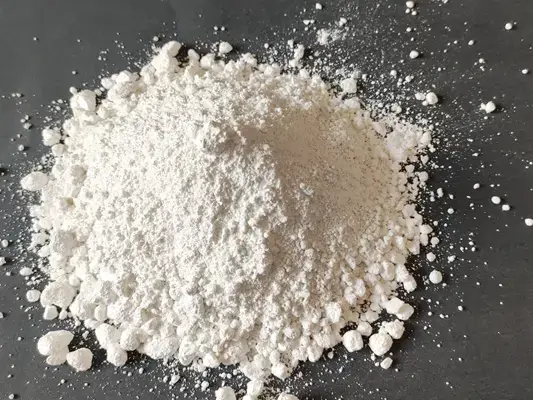
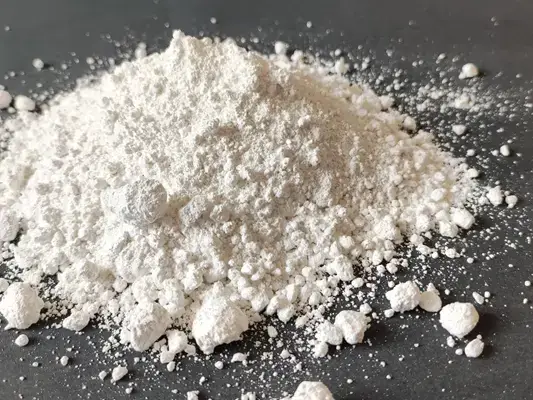
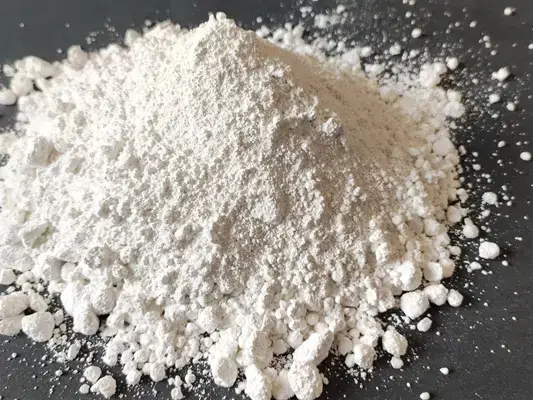
Activated Clay
Activated Clay Supplier for Industrial Oil Refining
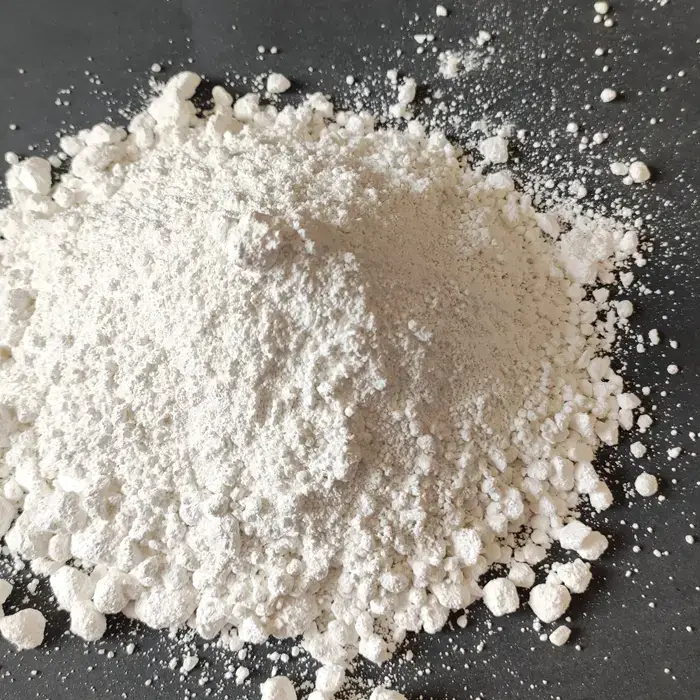
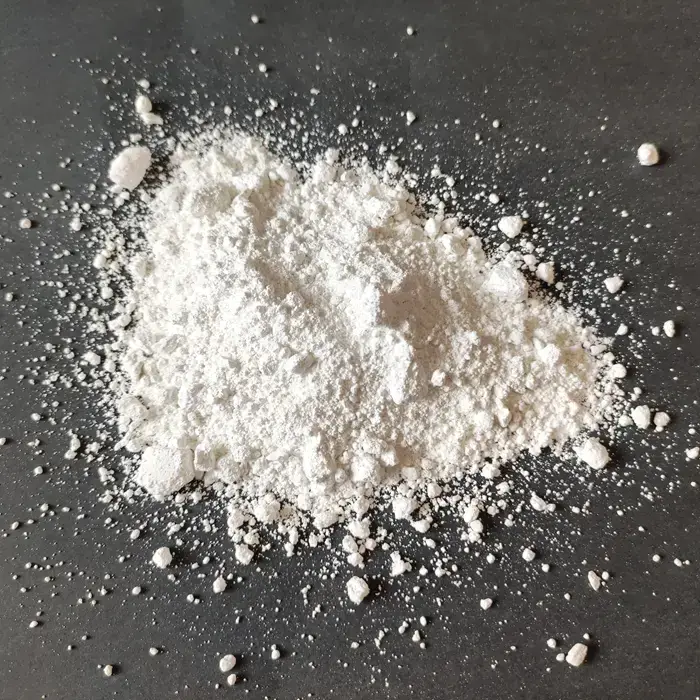
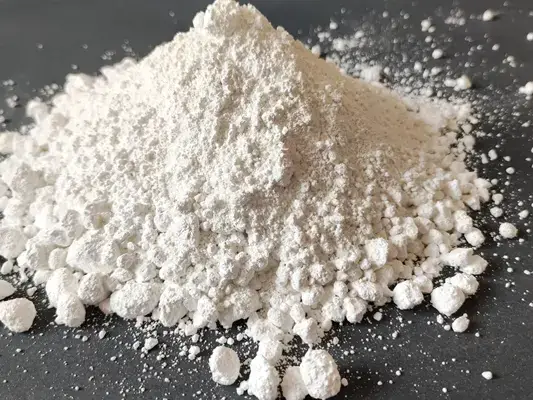
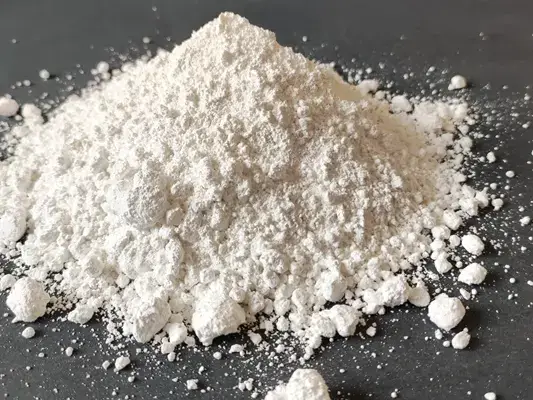
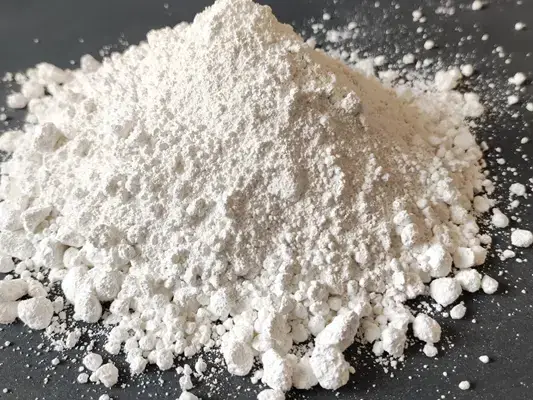
Activated clay, also known as activated bleaching earth, is a specially treated clay material used for adsorption, decolorization, and purification in various industrial processes. It is widely applied in vegetable oil refining, animal fat processing, mineral oil treatment, and other applications requiring effective removal of color bodies and impurities.
CK provides industrial mineral products for international buyers seeking suitable materials for different processing requirements. Contact our team to discuss activated clay specifications, technical documentation, packaging, and supply options.
What Is Activated Clay?
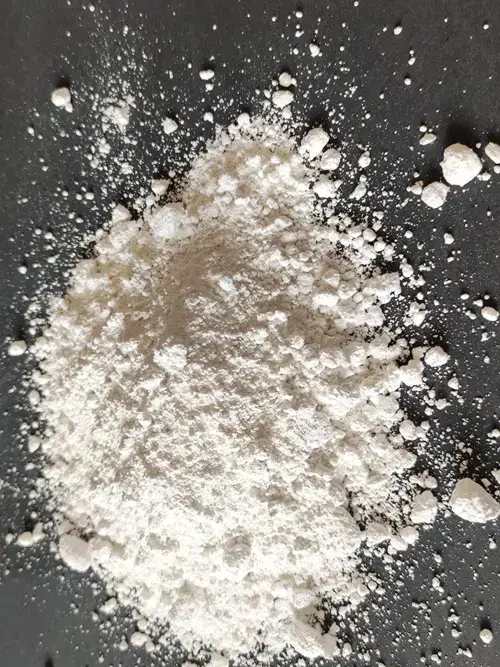
Activated clay is a clay-based adsorbent produced by treating suitable natural clay minerals to improve their adsorption characteristics. In industrial applications, the term commonly refers to acid-activated bentonite, which is also known as acid-activated bleaching earth.
During acid activation, selected clay minerals undergo chemical changes that modify their mineral structure, surface characteristics, and pore system. These changes can improve their ability to adsorb pigments and certain impurities from oils and other liquids.
Activated clay is particularly important in oil refining, where it is used during the bleaching stage to reduce unwanted coloration and remove selected substances from crude or partially refined oils.
The performance of activated clay depends on several factors, including:
Raw clay mineral composition
Activation conditions
Specific surface area
Pore structure and distribution
Particle size
Moisture content
Surface acidity and adsorption characteristics
Different applications require different grades and performance characteristics. Therefore, selecting the appropriate activated clay should be based on the processing conditions and the technical requirements of the end user.
Key Characteristics of Activated Clay for Industrial Applications
Activated clay is valued for its adsorption properties and its role in industrial purification processes. Its characteristics can vary depending on the raw material and activation method.
Industrial Applications of Activated Clay
Activated clay is used in a range of industrial purification and decolorization processes. Its suitability depends on the raw material, activation characteristics, and process conditions.

1. Vegetable Oil Refining
Activated bleaching earth is used during the bleaching stage of vegetable oil refining to adsorb pigments and selected impurities from oils such as soybean, palm, sunflower, rapeseed, and corn oil.
2. Animal Fat Processing
Activated clay can be used in the treatment and decolorization of animal fats, depending on the material grade and processing requirements.
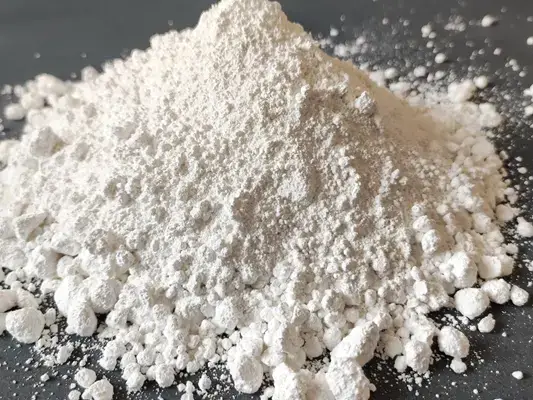
3. Mineral Oil Treatment
Certain activated clay grades are used in the purification and decolorization of mineral oils and selected industrial oil products.
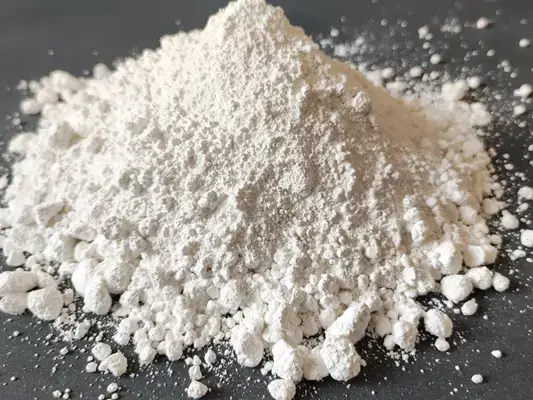
4. Paraffin and Wax Processing
Activated clay can be used in selected wax treatment processes to help remove unwanted coloring substances and other adsorbable impurities.
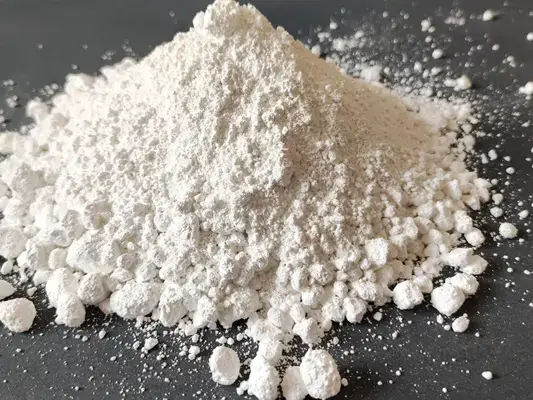
5. Fatty Acid Processing
Activated clay may be used as an adsorbent in selected fatty acid purification and decolorization processes.
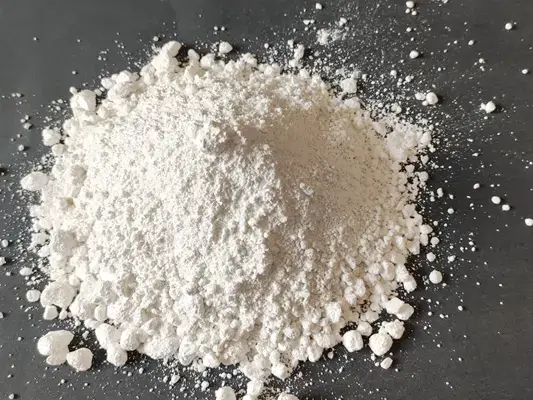
6. Other Industrial Purification
Depending on its technical characteristics, activated clay may also be considered for other industrial liquid purification and adsorption applications.
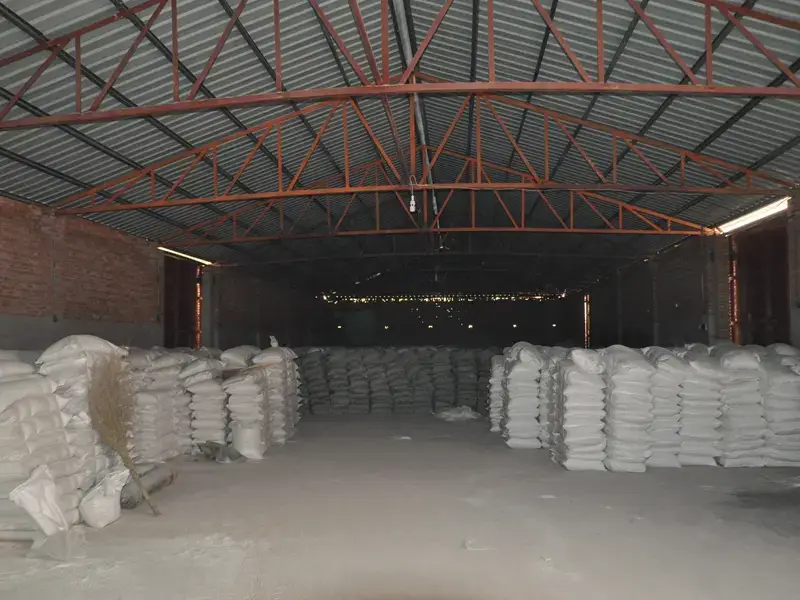
Activated Clay Packaging and Supply
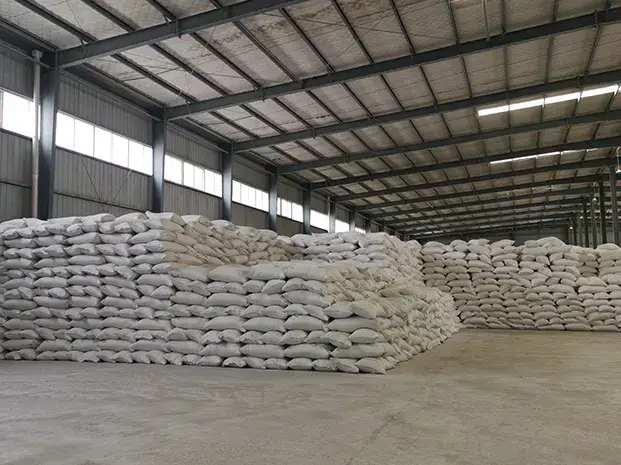
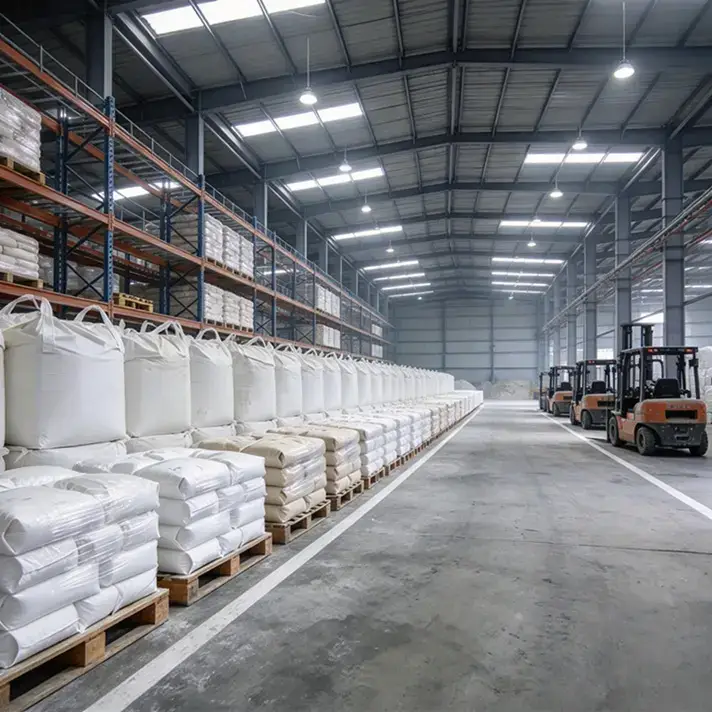
Proper packaging is important for maintaining product quality during storage and international transportation.
Packaging options should be confirmed according to the actual product, order quantity, and shipping requirements.
Packaging options to confirm:
25 kg bags
500 kg bulk bags
1,000 kg jumbo bags
Customized packaging subject to availability
Storage Recommendations
Store in a dry and well-ventilated warehouse.
Keep packaging sealed when not in use.
Protect the material from moisture and contamination.
Follow the product’s safety data sheet and handling instructions.
Activated Clay Technical Specifications
The technical properties of activated clay are important when selecting a suitable material for industrial applications.
Different raw materials and activation processes can result in different product characteristics. Buyers should evaluate the specifications according to their intended applications.
Specifications Based on Your Requirements
If you are looking for activated clay for vegetable oil refining, mineral oil treatment, or other industrial applications, please send us your target specifications and intended use. Our team can discuss suitable product options and available technical documentation.
| Item | Standard | Test Result |
|---|---|---|
| SiO2 % ≥ | 61 | 64 |
| Al2O3 % ≤ | 15 | 14 |
| Whiteness ≥ | 92 | 93 |
| pH | 3–6 | 3.5 |
| BET | 180–220 | 200 |
| Moisture | ≤8.5 | 8 |
| Residue on Sieve 325 Mesh ≤ | 0.003 | 0 |
| Water Absorption | 14–15 | 15 |
| Hydrogen Exchange Capacity (m.eq/100g) | 30–50 | 32 |
| Viscosity | 200–260 CP | 220 CP |
| Oil Absorption | 38.00–42.00 | 39 |
| Specific Gravity | 2.6 | 2.6 |
How Does Activated Clay Work in the Bleaching Process?
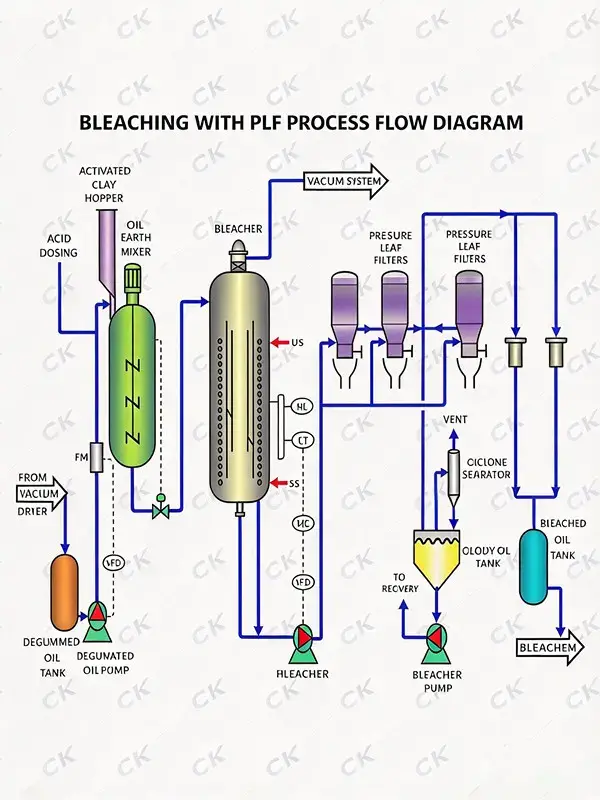
Activated clay works primarily through adsorption. During industrial oil refining, the material comes into contact with oil under controlled processing conditions.
Its porous structure and surface characteristics allow selected pigments and other adsorbable substances to attach to the clay particles. The clay is subsequently separated from the treated oil through filtration.
Oil Preparation: The oil is prepared according to the refinery’s processing requirements.
Clay Addition: An appropriate quantity of activated clay is introduced into the oil.
Mixing and Contact: The clay is mixed with the oil under controlled temperature and vacuum conditions, depending on the process.
Adsorption: Pigments and selected impurities are adsorbed onto the clay surface.
Filtration: Spent bleaching earth is separated from the treated oil.
Further Refining: The filtered oil proceeds to subsequent refining stages as required.
The actual operating conditions, dosage, and filtration requirements should be determined through process evaluation and testing.
123 Main Street New York, NY 10001
Why Work with CK for Industrial Mineral Supply?
CK focuses on the processing and supply of industrial mineral products for international B2B customers. We understand that different buyers have different requirements for product specifications, packaging, quality documentation, and supply arrangements.
Our approach emphasizes clear communication and application-oriented product selection.
Industrial Mineral Processing Experience
CK operates its own mineral processing business and supplies industrial mineral products to customers in different markets.
Product Specification Communication
We discuss technical requirements, product specifications, and application needs with buyers before confirming orders.
Technical Documentation
Relevant product specifications and available testing documents can be discussed during the enquiry process.
Packaging Solutions
Packaging requirements can be discussed according to the product and transportation arrangements.
International B2B Communication
We welcome enquiries from overseas distributors, industrial manufacturers, and end users.
Frequently Asked Questions About Activated Clay
Explore common questions about activated clay, including its properties, adsorption performance, industrial applications, technical specifications, and selection criteria. This section provides helpful information for buyers looking for activated clay for oil refining, decolorization, and other industrial purification processes.
Activated clay is mainly used as an adsorbent in industrial decolorization and purification processes. Common applications include vegetable oil refining, animal fat processing, mineral oil treatment, and paraffin wax processing.
The terms are often used interchangeably in industrial markets. Activated bleaching earth generally refers to clay materials, commonly acid-activated bentonite, used for bleaching and decolorizing oils.
Natural bentonite is a naturally occurring clay mineral. Activated clay undergoes additional treatment, commonly acid activation, to modify its surface characteristics and adsorption properties. Their performance and intended applications can therefore differ.
Acid activation modifies the mineral structure and can increase surface area and porosity, improving the clay’s adsorption characteristics. The actual results depend on the original clay and activation conditions.
Certain grades of activated bleaching earth are used in edible oil refining. However, suitability for food-related applications must be verified through appropriate product testing, safety documentation, and applicable regulatory requirements.
Buyers should consider moisture content, specific surface area, particle size, free acidity, adsorption performance, filtration characteristics, and compatibility with their refining process.
Product specifications and packaging requirements should be discussed according to the available product grades, intended application, and technical feasibility.
You can contact CK with your intended application, target specifications, required quantity, and destination country. Available technical information and quotation details can then be discussed.
Looking for a Reliable Activated Clay Supplier?
Choosing the right activated clay is important for achieving suitable adsorption and filtration performance in industrial processing.
Whether you need activated clay for vegetable oil refining, mineral oil treatment, or other industrial applications, CK welcomes your enquiry.
Contact us to discuss your product requirements, technical specifications, packaging options, and supply arrangements.