
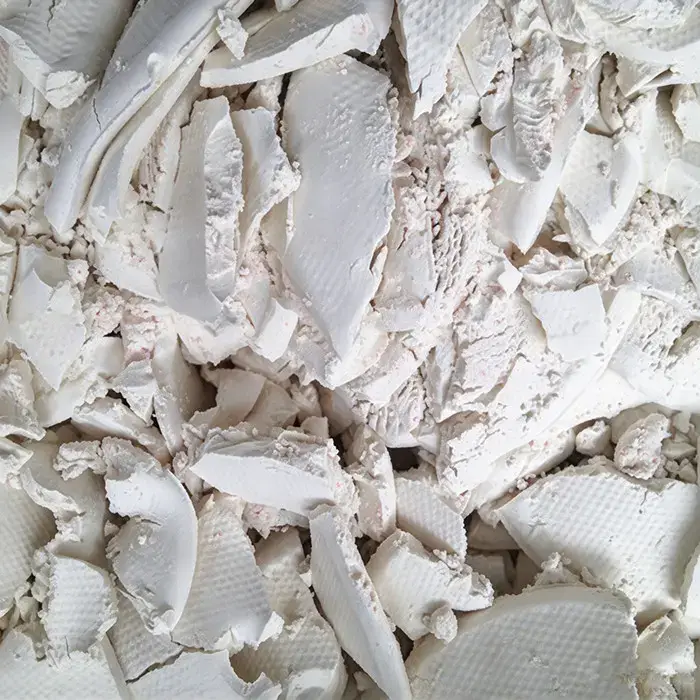
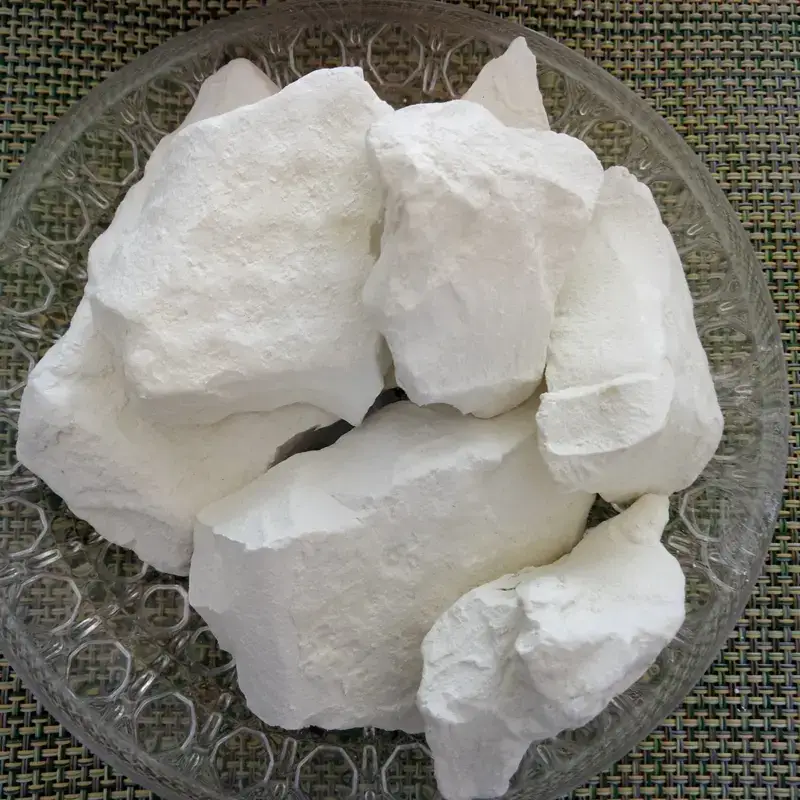
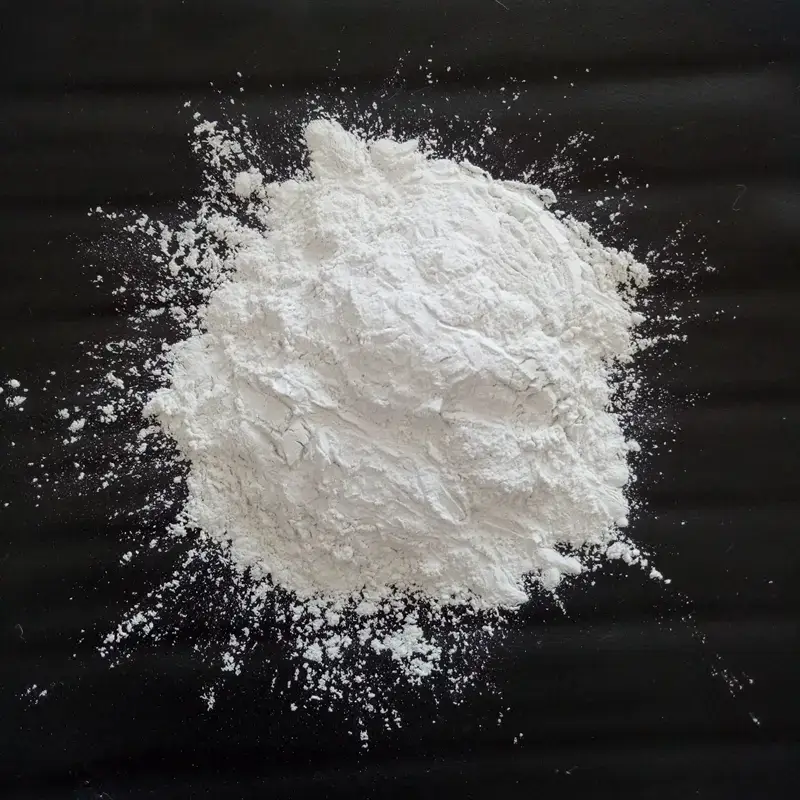
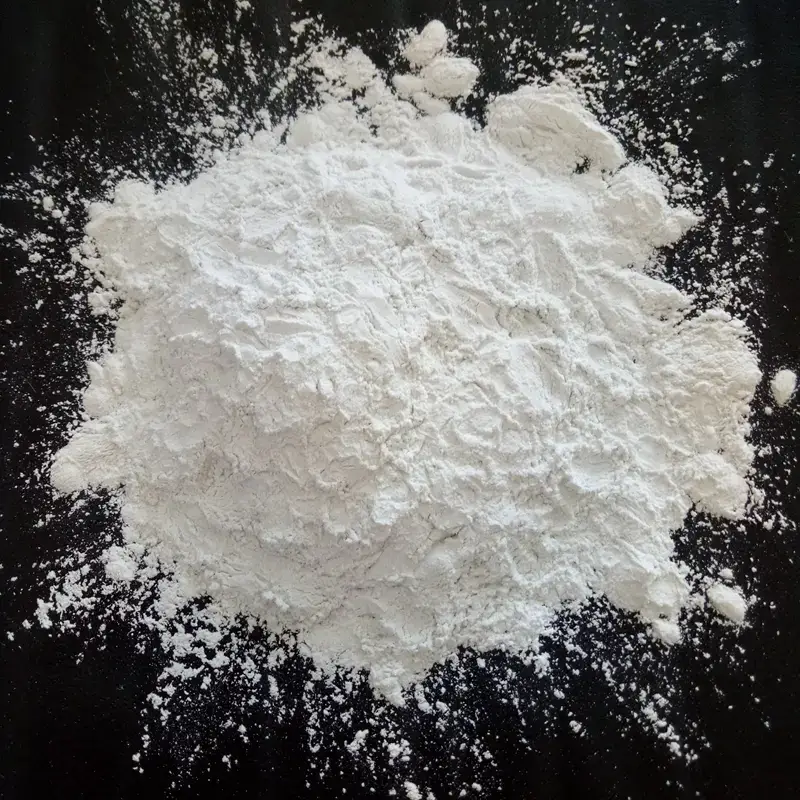
Ball Clay for Ceramics and Industrial Applications
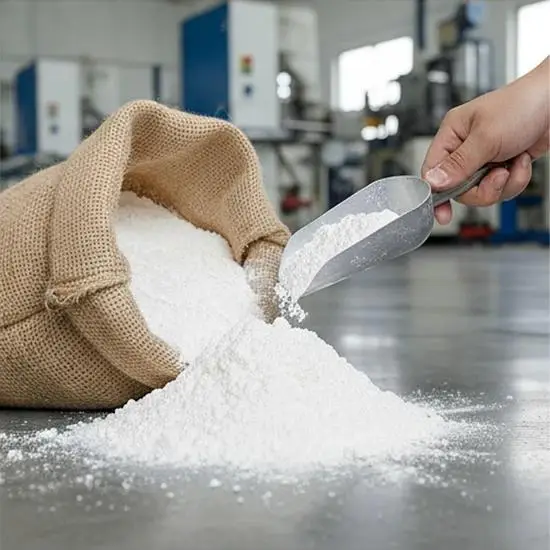
CK (CHINA KAOLIN)supplies ball clay for ceramic manufacturing and other industrial applications. Different ball clay grades may offer different combinations of plasticity, particle size, color, and mineral composition. We help buyers evaluate product suitability based on their processing requirements and available technical data.
Contact CK to discuss your application, compare suitable grades, and request product specifications.
What Is Ball Clay
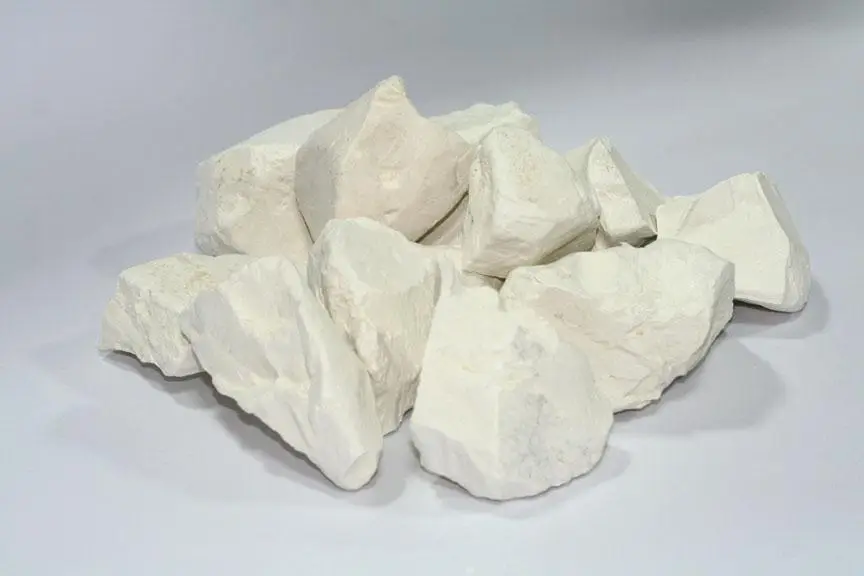
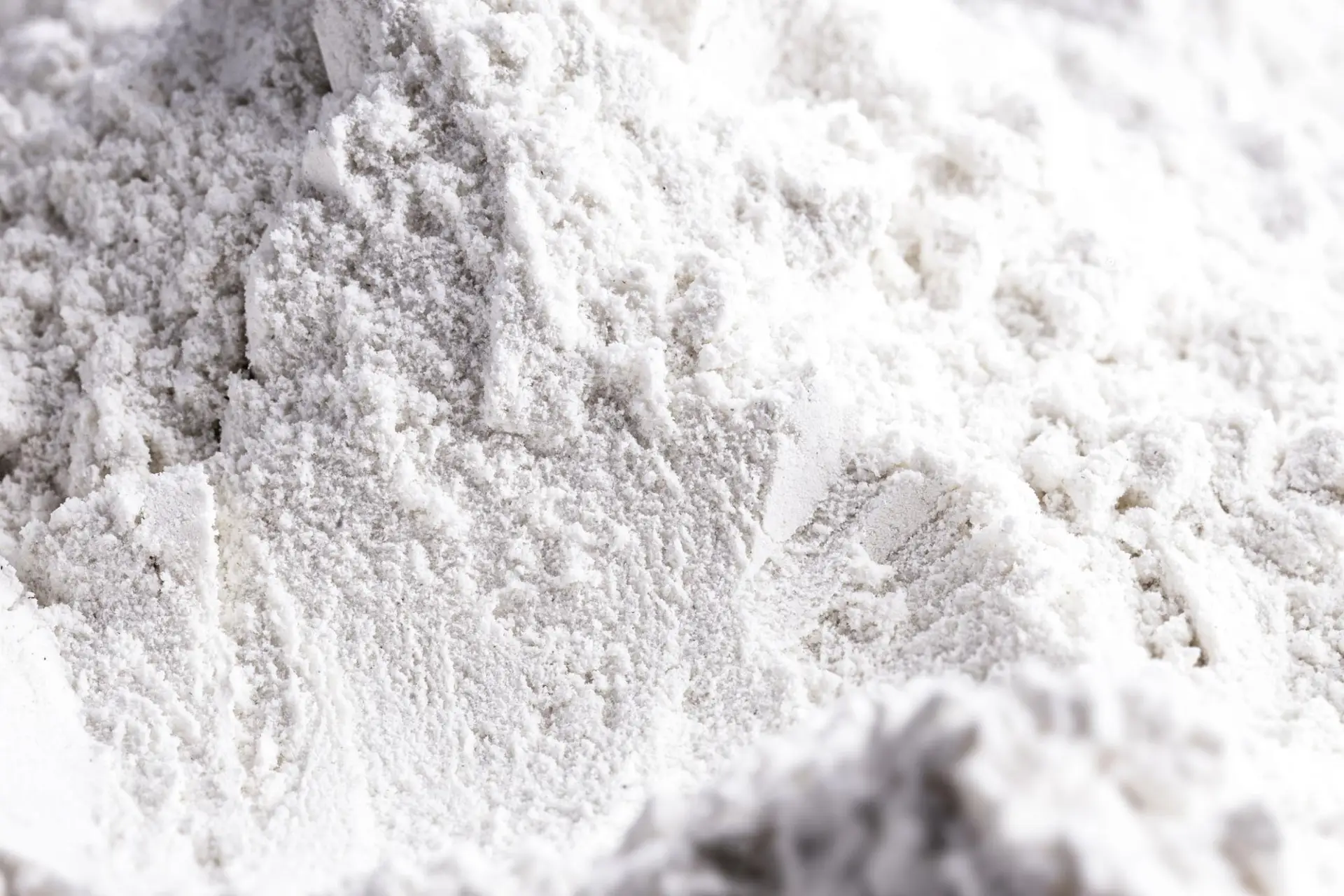
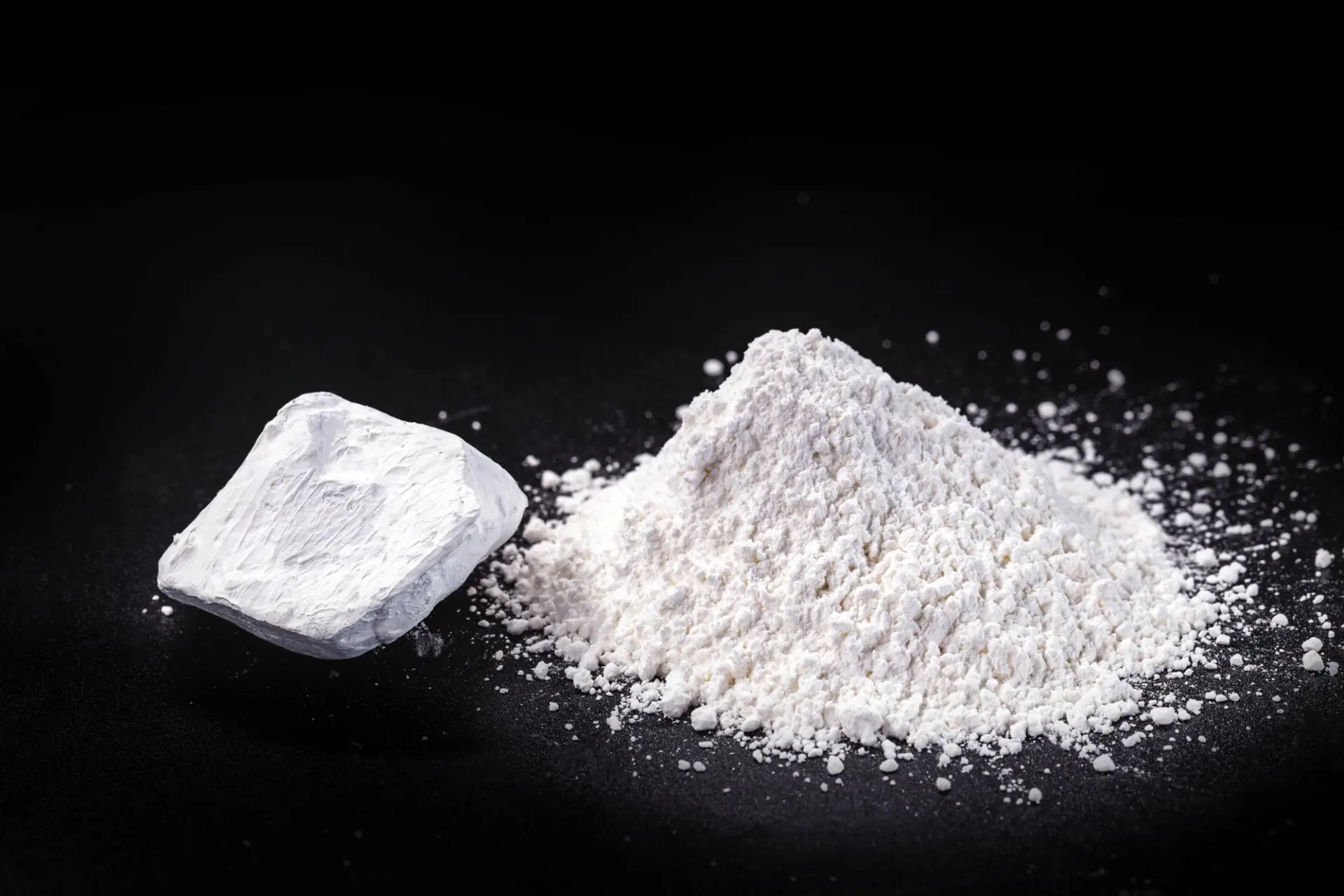
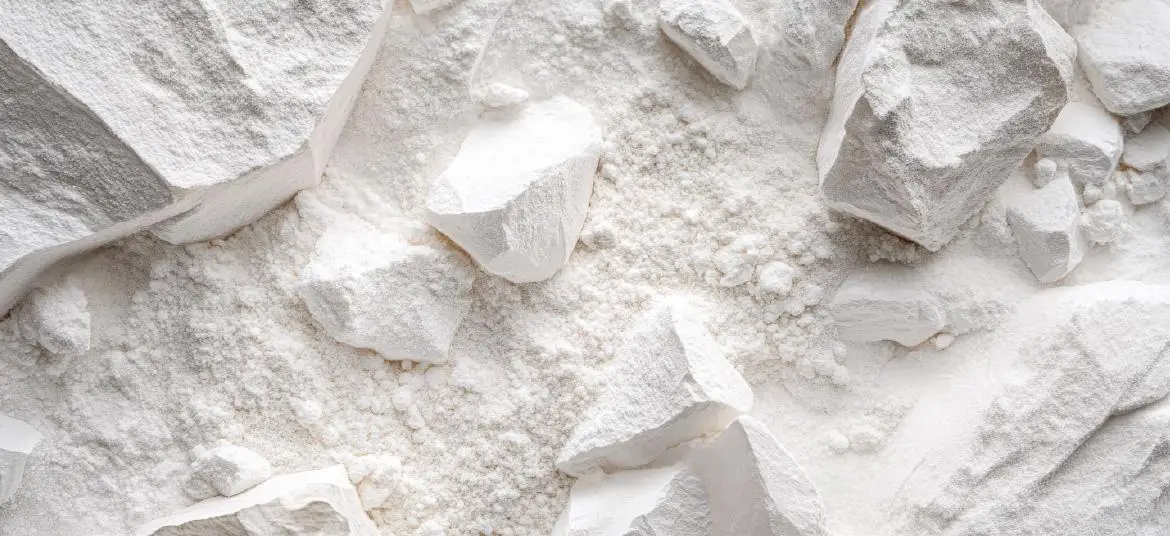
Ball clay is a naturally occurring fine-grained sedimentary clay widely used in ceramic formulations. It is valued for its plasticity and its role in helping ceramic bodies achieve the workability required for shaping and forming.
Its properties vary according to mineral composition, particle-size distribution, organic matter, and the characteristics of the source material. For manufacturers, selecting the right ball clay involves evaluating how the material performs within a specific formulation rather than relying on the product name alone.
Ball clay is commonly considered for ceramic bodies, sanitaryware, tiles, tableware, and other applications where its processing characteristics are suitable.
Key Characteristics of Ball Clay
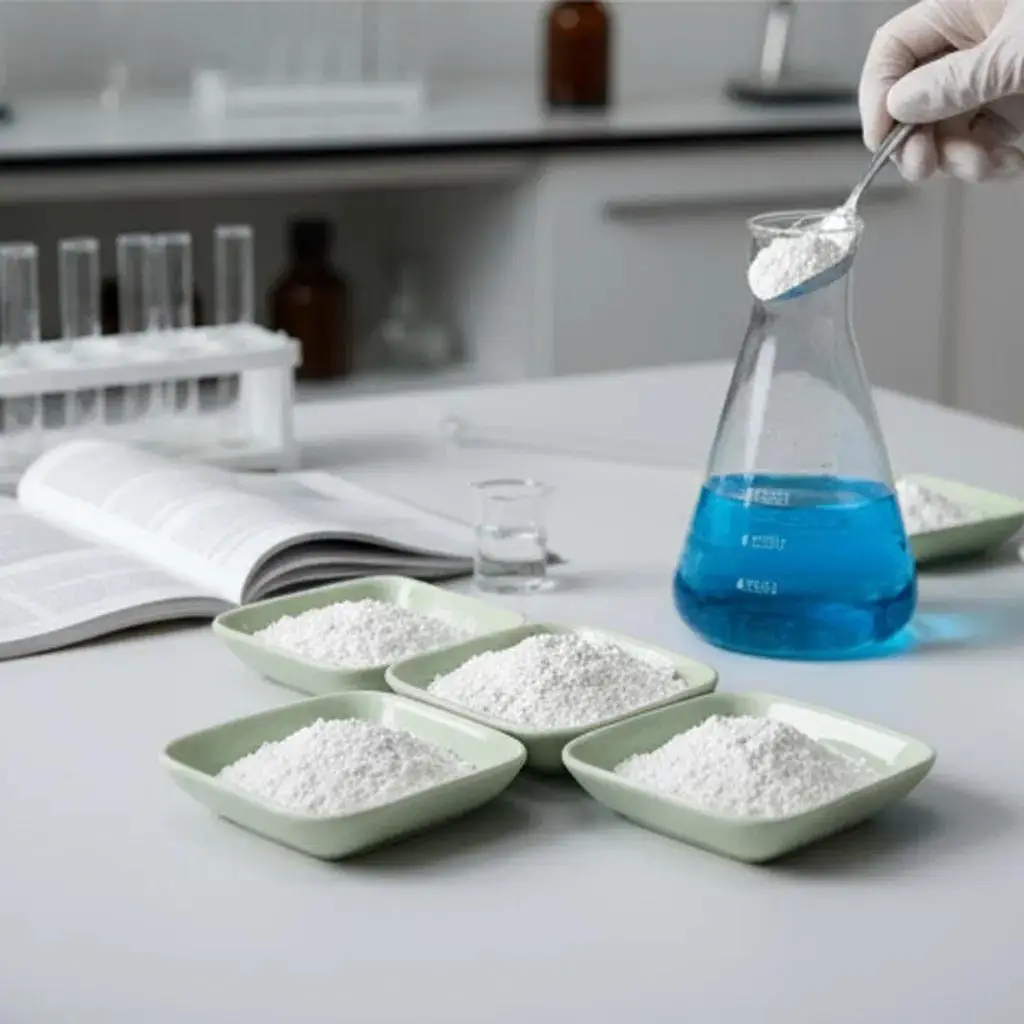
When evaluating ball clay for industrial use, buyers should consider the properties that influence forming, drying, firing, and final product quality. Actual characteristics depend on the selected grade and should be verified using the supplier’s technical data.
Ball Clay Applications in Ceramic Manufacturing
Ball clay is used in a range of ceramic formulations where its plasticity and other material characteristics meet the requirements of the manufacturing process. Application suitability depends on the selected grade, the other raw materials in the formulation, and the required properties of the finished product.
-4_副本.webp)
1. Ceramic Bodies
Ball clay can contribute plasticity and workability to ceramic body formulations. Grade selection depends on forming methods and the requirements of the finished ceramic.
-2_副本.webp)
2. Sanitaryware
Ball clay may be used in sanitaryware bodies where forming behavior, drying performance, and fired properties need to be considered together.
-1_副本.webp)
3. Ceramic Tiles
Manufacturers evaluate clay raw materials according to body formulation, pressing or forming requirements, drying behavior, and firing conditions.
-3_副本.webp)
4. Tableware and Porcelain
Ball clay can be considered for tableware and porcelain formulations when its color, plasticity, and firing characteristics are appropriate.
-5_副本-1.webp)
5. Slip Casting
For slip-casting applications, assess the complete formulation, including slurry behavior, casting performance, and demolding requirements.
-6_副本.webp)
6. Other Ceramic Products
Additional ceramic applications may be suitable depending on the formulation, processing method, and required performance of the finished product.
Ball Clay Grades and Specifications
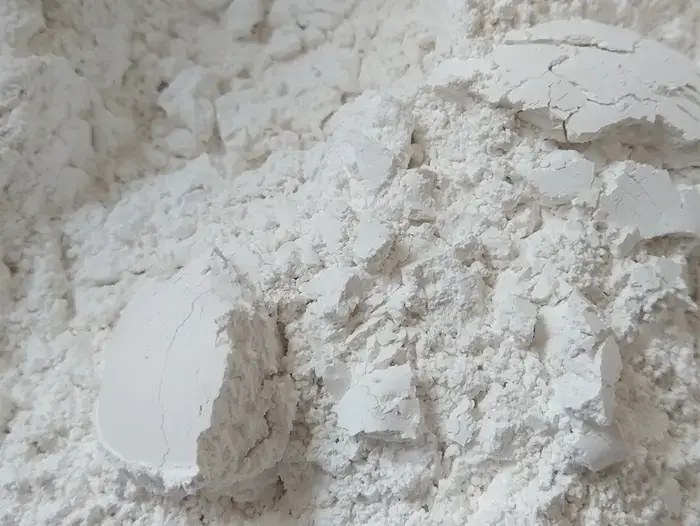
Different ball clay grades can vary in chemical composition, particle-size distribution, plasticity, moisture content, and firing characteristics. The most suitable grade depends on your ceramic formulation, manufacturing process, and product specifications.
CK can provide available technical data for product evaluation. Contact our team to request the relevant TDS or test information and discuss the requirements for your application.
Properties & Specifications
| Property | Specification |
|---|---|
| Moisture | ≤ 0.5 % |
| Plasticity | > 153.6 kg/cm |
| Viscosity | 0.5 – 1.5 Pa·s |
| Dry Shrink | 3 – 10 % |
| Refractoriness | 1700 ℃ |
| Cation Exchange Capacity | 2 – 5 mg/100g |
| Oil Absorption | 55 |
* Values shown are typical test results and may vary within normal manufacturing tolerances.
How to Choose the Right Ball Clay Grade
Selecting ball clay for industrial use requires more than comparing prices or relying on a general product description. Buyers should evaluate the material against their actual formulation, processing conditions, and finished-product requirements.
Step 1: Define Your Application
Identify the intended product, such as sanitaryware, tiles, tableware, porcelain, or another ceramic application.
Step 2: Establish Your Requirements
List the required chemical composition, moisture level, particle-size characteristics, plasticity, and relevant drying or firing properties.
Step 3: Review Technical Data
Compare the available TDS or test results with your acceptance criteria. Confirm which test methods and limits apply to the selected grade.
Step 4: Validate Before Production
Where appropriate, conduct a trial using the actual formulation and production conditions before approving a material for regular use.
Ball Clay Processing and Quality Evaluation
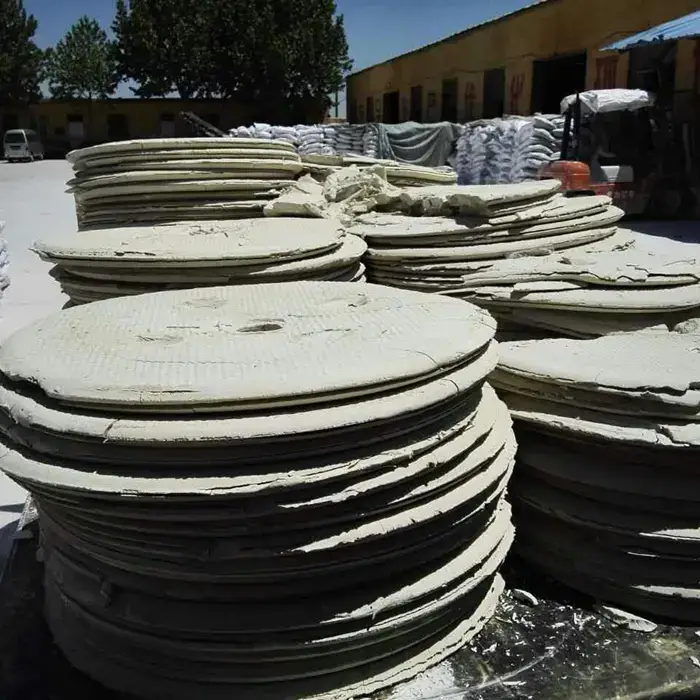
Ball clay is a natural material, and its properties depend on the source material and any subsequent processing. For industrial buyers, understanding the relationship between processing, product characteristics, and technical evaluation is important when comparing suppliers. CK focuses on supplying clay products for industrial customers. Product information and available test data can help buyers assess whether a particular grade is appropriate for their intended application.
-7_副本.webp)
Raw Material Characteristics
Natural clay properties can vary, making grade-specific evaluation important.
-8_副本.webp)
Processing and Product Preparation
Describe only the actual processing steps used for the particular ball clay product.
-9_副本.webp)
Technical Data Review
Use available TDS and test reports to evaluate the product against customer requirements.
Not every raw kaolin grade is suitable for direct use in every industry. Contact CK with your application, target specifications, and processing requirements to discuss a suitable product option.
Why Work with CK for Ball Clay?
Choosing a clay supplier involves evaluating product suitability, technical documentation, communication, and the ability to meet your purchasing requirements. CK works with industrial buyers to help them understand product characteristics and identify relevant technical information before making a purchasing decision.
1. Product-Focused Support
Discuss your intended application and material requirements with our team to identify the relevant product information.
2. Technical Documentation
Request available TDS documents and test information to assess whether a product meets your specified requirements.
3. Application-Based Grade Selection
Compare relevant material characteristics based on your ceramic formulation and manufacturing process.
4. B2B Enquiry Support
Share your purchasing requirements, destination market, and expected order quantity so our team can assess your enquiry.
Ball Clay vs. Kaolin: What Is the Difference?
Ball clay and kaolin are both used in ceramic manufacturing, but they are not interchangeable in every formulation. Ball clay is often selected for its contribution to plasticity and workability, while kaolin is commonly evaluated for its role in ceramic body composition, whiteness, and firing behavior.
The appropriate choice depends on the mineral characteristics of the specific grade and the desired properties of the finished product. In many formulations, manufacturers evaluate both materials as part of a wider combination of ceramic raw materials.
Evaluation Factor Comparison
Ball Clay vs Kaolin — selection and formulation considerations
| Evaluation Factor | Ball Clay | Kaolin |
|---|---|---|
| Common consideration | Plasticity and workability | Composition, whiteness and firing behavior |
| Main selection criteria | Forming, drying and firing requirements | Grade-specific composition and application requirements |
| Ceramic formulation | May contribute plasticity | May contribute to the ceramic body structure |
| Final choice | Depends on the complete formulation | Depends on the complete formulation |
* The final material selection should always be validated against the complete ceramic formulation and process requirements.
Explore Our Kaolin Products
Looking for other clay materials for your manufacturing needs? Explore CK’s kaolin product range to compare different product types and identify the options relevant to your application.
Frequently Asked Questions About Ball Clay
Before purchasing ball clay, buyers often need to understand its applications, material properties, technical specifications, and grade selection. The following answers address common questions to help you evaluate a suitable product for your manufacturing requirements.
Ball clay is primarily used in ceramic formulations, including sanitaryware, tiles, tableware, porcelain, and other ceramic products where its material properties are suitable.
Important properties may include plasticity, particle-size distribution, mineral composition, moisture content, drying shrinkage, and firing characteristics. Actual properties vary by grade.
Ball clay is often valued for its plasticity and workability, while kaolin is frequently selected for its composition and other grade-specific properties. Both may be used together in ceramic formulations.
Start with your intended application and processing requirements. Then compare the relevant TDS values, test methods, and acceptance limits before evaluating the material in your formulation.
Ball clay can be suitable for these applications, depending on the grade, formulation, forming method, and firing conditions. Confirm suitability through technical evaluation and application trials.
Yes. Contact CK and specify your intended application and required parameters. Our team can respond with the relevant technical information available for the product under consideration.
Include your application, required specifications, estimated order quantity, destination country, packaging requirements, and any applicable technical documents or reference standards.
Submit an enquiry through the Contact page with your product requirements and contact details. This will help our team understand your request and respond more effectively.
Looking for the Right Ball Clay for Your Application?
Tell us about your ceramic manufacturing process, required material properties, and purchasing requirements. CK can help you identify the relevant product information and review available technical data for your application.
Contact our team to request a ball clay TDS or discuss your sourcing requirements.